
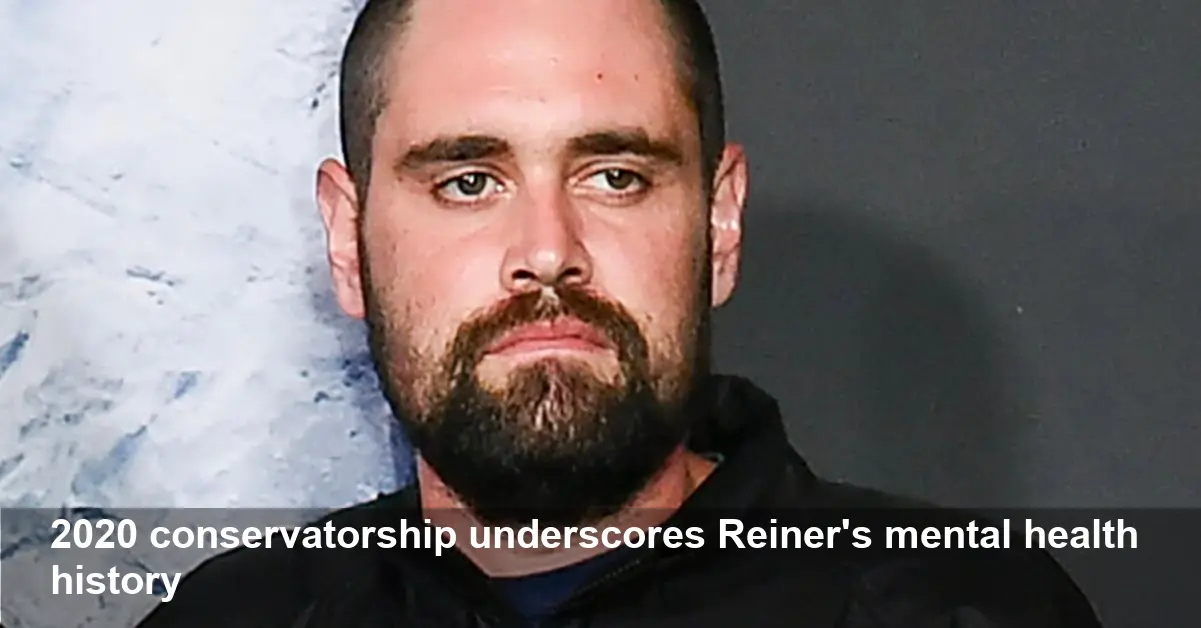
- Conservatorship: Nick Reiner was placed under a yearlong mental health conservatorship in 2020; it ended in 2021.
- Legal context: The conservatorship and a recent medication change are likely to be central to his criminal defense.
- Health details: Sources say Reiner has been diagnosed with schizophrenia or schizoaffective disorder and had a medication switch weeks before the killings.
- Charges: He faces two counts of first-degree murder and is represented by a public defender.
H2: What the conservatorship was and why it matters
Court records and people familiar with the case say Nick Reiner was placed into a yearlong mental health conservatorship in 2020. A clerk with the Los Angeles Superior Court confirmed the arrangement and said it ended in 2021. Steven Baer, the licensed fiduciary who served as Reiner’s conservator, declined to provide details but said, “mental illness is an epidemic that is widely misunderstood and this is a horrible tragedy.”
Conservatorships allow a court-appointed guardian to make decisions about medical care and treatment for people deemed unable to care for themselves. The existence of a prior conservatorship signals that courts and family members had previously sought legal oversight because of serious mental health concerns.
H2: Mental health and the criminal case
Prosecutors charged Mr. Reiner with two counts of first-degree murder after his parents were found stabbed to death in their Los Angeles home on Dec. 14. He is being represented by a public defender and has not entered a plea.
Multiple people who spoke to reporters on the condition of anonymity said Reiner has a serious mental illness and was diagnosed at different times with schizophrenia and schizoaffective disorder. Those sources also said he had changed medications about a month before the killings because side effects prompted the switch. They said the previous medication had been effective.
Defense attorneys commonly examine medical history, conservatorship records and medication changes to argue that a defendant’s mental state affected their actions. The conservatorship and recent treatment changes are likely to be part of pretrial evaluations and expert testimony.
H2: Timeline, potential penalties and next steps
- 2020: Reiner placed under a yearlong mental health conservatorship.
- 2021: Conservatorship ended, according to court staff.
- Dec. 14: Reiner’s parents were found dead in their home.
- Jan. 15, 2026: Details about the conservatorship were reported.
If convicted on two counts of first-degree murder, Mr. Reiner could face life in prison without parole or the death penalty. Courts will review psychiatric records, medical history and conservatorship documents as part of the legal process. Experts in forensic psychiatry and the defense team will likely scrutinize the medication change and diagnoses in upcoming hearings.
H3: What to watch next
Expect motions for psychiatric evaluations, requests for medical records and possible expert testimony on diagnoses and medication effects. Because conservatorship records often contain sensitive information, some details may remain confidential or sealed, but aspects relevant to criminal responsibility will surface during pretrial proceedings.
Image Referance: https://www.nytimes.com/2026/01/15/us/nick-reiner-conservatorship-schizophrenia.html