
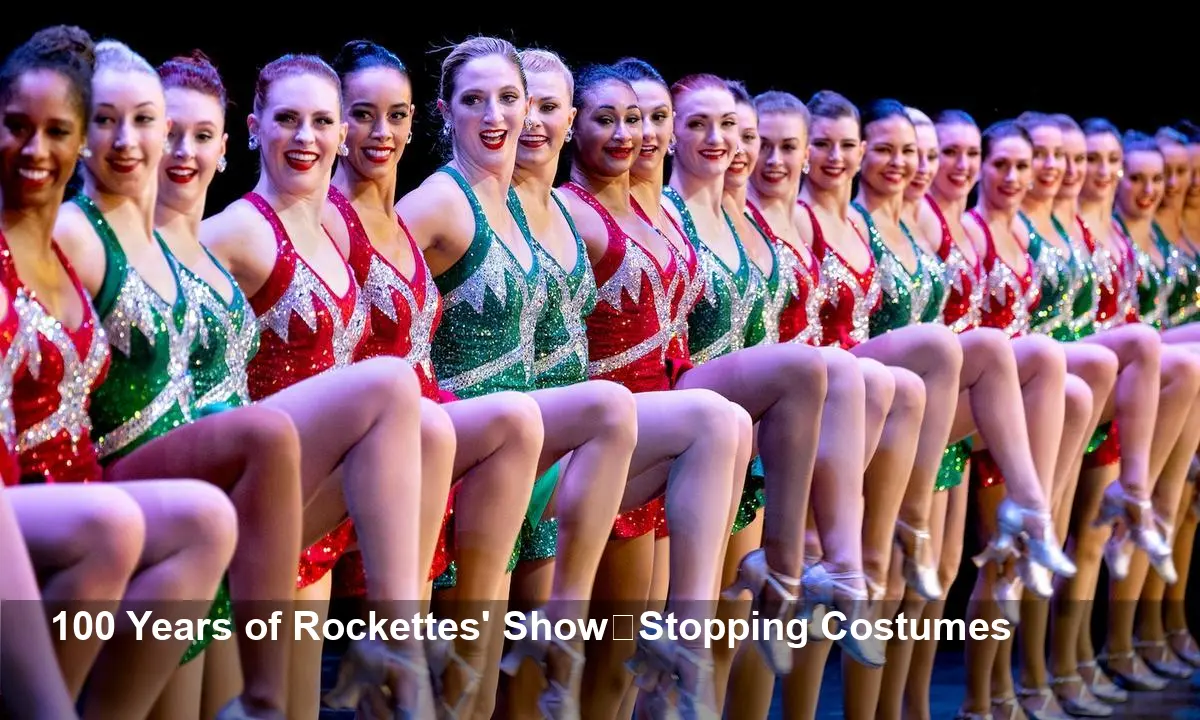
- The Rockettes mark 100 years of costume history, from toy-soldier uniforms to glittering minidresses.
- Designers from Vincente Minnelli to Emilio Sosa shaped signature looks like the Wooden Soldiers and gold fringe dresses.
- Advances in fabrics and tech — from tar‑like pants to tap shoes with mics — have made costumes more durable and performance-ready.
- Quick backstage changes and carefully matched flesh‑tone netting help maintain the troupe’s uniform precision.
A century of sparkle and spectacle
The Rockettes — the precision kick‑line founded in St. Louis in 1925 and now synonymous with Radio City Music Hall — are celebrating 100 seasons. As much as their trademark kicks and smiles, their costumes have helped define the troupe’s image: extravagant, precise and instantly recognizable.
From 1920s top hats and canes to 21st‑century glitter, the Rockettes’ wardrobe has tracked changing fashions and stagecraft while keeping spectacle at its center. The troupe’s annual Christmas Spectacular and high‑profile appearances, like the Macy’s Thanksgiving Day Parade, have showcased outfits that range from patriotic uniforms to futuristic space suits.
Designers and the design ritual
Some of the biggest names in costume and fashion have contributed to Rockettes history: Vincente Minnelli designed the Wooden Soldiers in 1933; Bob Mackie, Erté and Gregg Barnes are among other notable contributors. Contemporary designer Emilio Sosa, known from Project Runway, helped create this season’s gold Christmas‑light minidresses and the widely seen gold fringe dress.
Sosa describes the design approval process as ritualized: every prototype is presented onstage under Radio City’s lights while executives watch from the auditorium. Notes — “more silver,” “less ribbon,” “add chain” — are delivered from the dark until the final look is perfected.
Signature looks and memorable moments
- Wooden Soldiers (1933): Minnelli’s cartoonish toy‑soldier uniforms remain the Rockettes’ most iconic costume.
- Gold fringe and minidresses: Modern staples that pop in parades and off‑site events; Sosa layered luster, satin and crystals for maximum stage shine.
- Zebra outfit and “Star Bright” (1960s): Frank Spencer’s playful, futuristic designs included bubble helmets and astronaut nods.
- Velvet March (1999) and inauguration uniforms: Deborah Newhall’s dark‑blue march costumes and star‑spangled velour jackets have accompanied patriotic performances and presidential events.
Backstage tech, fabrics and choreography
Costume technology has evolved: tap shoes with built‑in microphones debuted in the 1990s; earlier anecdotes even mention microphones threaded through fishnets. Modern performance fabrics are lighter, stretchier and built to endure multiple daily shows. The Wooden Soldiers’ white slacks are now made from a stiff, tar‑like material that stands up straight and never needs ironing.
These advances matter because the Rockettes perform grueling schedules — during December they can do five shows a day. Quick costume transitions are tightly choreographed: in one sequence 36 dancers leave in Wooden Soldier uniforms and reappear in red‑and‑green outfits 78 seconds later. Backstage “organized chaos” involves unzipping, peeling and synchronizing in silence to preserve the onstage illusion.
Why the costumes still matter
Costumes amplify the Rockettes’ brand of uniformity and spectacle. They help create immediate recognition: “If three people start kicking in the line, the first thing they’ll say is, ‘The Rockettes!’” As fabrics, tech and designers change, that unmistakable line — glittering and precise — keeps the century‑old tradition marching forward.
Image Referance: https://www.washingtonpost.com/entertainment/theater/2025/12/19/rockettes-costumes-100th-anniversary/