
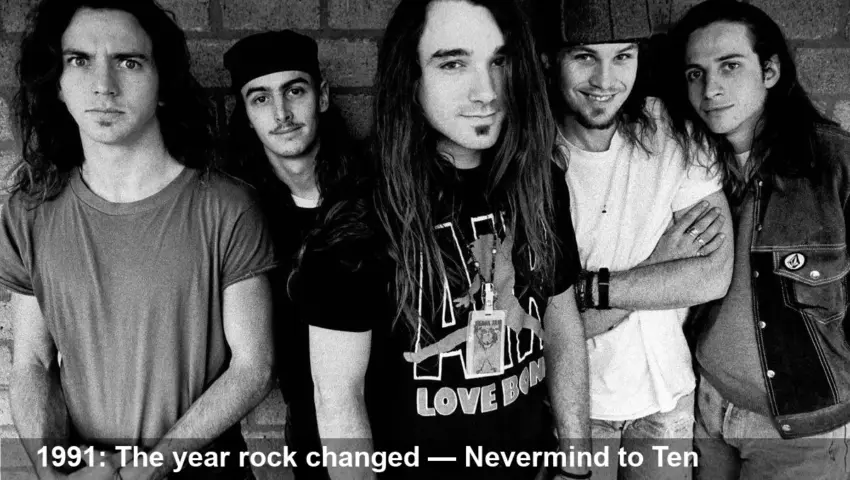
- 1991 reshaped rock: grunge, hip‑hop, electronic and alternative broke into the mainstream.
- Nirvana’s Nevermind tops the list, with Pearl Jam’s Ten a defining grunge-era album.
- The roundup spans metal, trip‑hop, hip‑hop and post‑rock — 17 albums that altered music’s direction.
Why 1991 mattered
1991 is widely seen as the year rock’s landscape shifted. A new generation of bands and producers pushed aside much of the 1980s gloss, blending punk urgency, classic‑rock heft, electronic textures and hip‑hop sensibilities. That year’s releases didn’t just sell — they changed how artists wrote, recorded and connected with audiences.
The full picture: highlights from the ranked 17
The list ranks 17 albums that, together, capture 1991’s diversity. At number one sits Nirvana’s Nevermind — the cultural detonator that brought grunge to global attention. Close behind are records that expanded the era’s musical vocabulary: A Tribe Called Quest’s The Low End Theory (jazz‑infused hip‑hop), Massive Attack’s Blue Lines (the blueprint for trip‑hop) and Talk Talk’s Laughing Stock (a quiet, experimental landmark).
Other notable entries include Metallica’s self‑titled “Black Album” — a stadium‑ready metal pivot — and My Bloody Valentine’s Loveless, a dense, shoegaze masterpiece. The list also acknowledges extremes: Sepultura’s Arise in metal, Slint’s Spiderland in post‑rock, and Primal Scream’s Screamadelica blending rock with rave culture.
Pearl Jam’s Ten — where it sits and why it matters
Pearl Jam’s Ten appears at number 7 on the ranked list. While often discussed alongside Nirvana, Ten offered a different grunge expression: a classic‑rock‑infused, anthemic sound driven by Eddie Vedder’s baritone and the band’s twin guitars. Songs like “Even Flow” and “Alive” combined raw emotion with stadium‑scale hooks, helping Pearl Jam connect with vast audiences while keeping a fiercely personal edge.
Ten’s themes — alienation, trauma and resilience — resonated widely. The album’s production preserved grit while allowing clear melodies to emerge, giving the band a timeless quality that secured their place among the 1991 vanguard.
Why this ranked list still matters
Looking back at these 17 albums reveals how 1991 wasn’t dominated by one scene or sound but by cross‑pollination. Grunge rose, but so did inventive hip‑hop, electronic experiments, and post‑rock introspection. The list serves as a snapshot: a single year when artists stretched boundaries and set musical trends that shaped the rest of the decade.
Whether you revisit Nevermind or explore entries like Blue Lines, Spiderland or Ten, the ranked 17 highlight a year when music reinvented itself — loudly, quietly and everywhere in between.
Image Referance: https://www.classical-music.com/rock/1991-greatest-albums