
- Key takeaways:
- Evil Influencer profiles Jodi Hildebrandt, a Utah life coach convicted in an extreme child abuse case.
- Director Skye Borgman applies her trademark measured, interview‑led true‑crime style.
- The film exposes how religious trust and influencer culture enabled abuse.
- The documentary raises ethical questions about making and watching grim true‑crime stories.
H2: What Evil Influencer covers
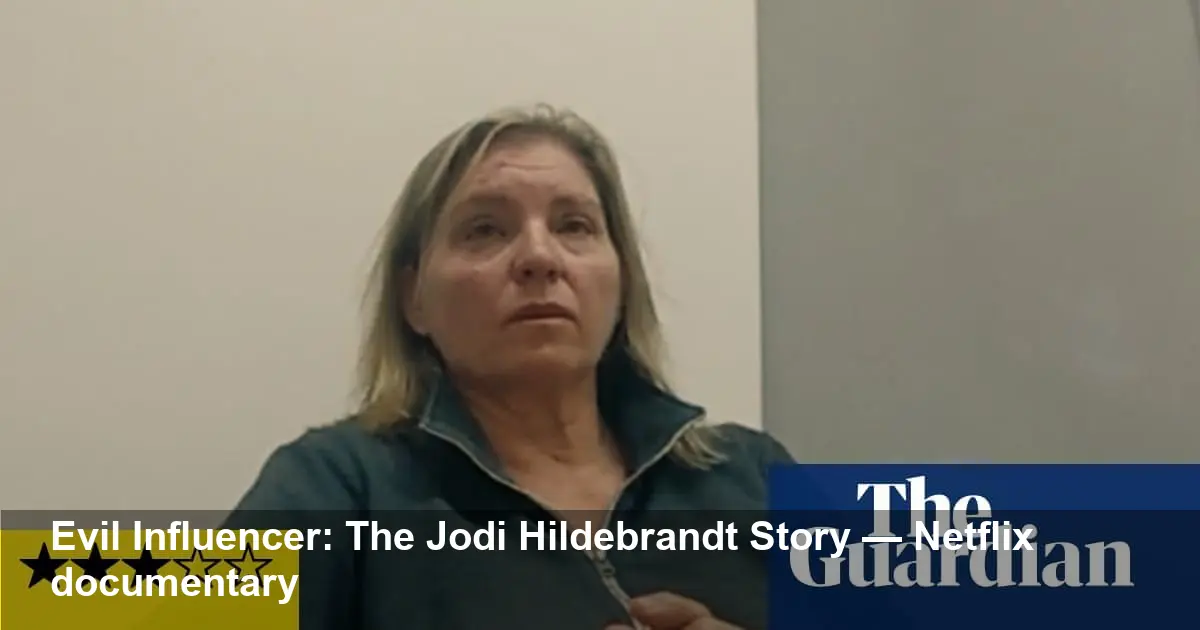
Evil Influencer: The Jodi Hildebrandt Story, now on Netflix, reconstructs the case that shocked Utah and online communities. The film follows police investigations into a 12‑year‑old boy who rang a stranger’s door, malnourished and wounded, and the discovery that he and his sister had been held and abused. Jodi Hildebrandt, a self‑styled life coach, and influencer Ruby Franke were central figures in the case. The documentary lays out evidence from searches of Hildebrandt’s home — including a locked closet, ropes and restraints — alongside testimony from victims, investigators and legal officials.
H3: Director Skye Borgman’s approach
Skye Borgman, known for Abducted in Plain Sight and The Girl in the Picture, uses a sober, interview‑first method. She gives time to detectives, the county attorney and survivors to map how trust and religious authority were exploited. Eric Clarke, the county attorney, and detective Jessica Bate explain how the case was built and why Hildebrandt’s position on church advisory lists helped her gain followers and clients. Borgman interleaves first‑hand accounts with factual timelines, keeping the film focused on the events and legal process rather than sensational spectacle.
H4: How religion and influencer culture intersect
The documentary suggests that early religious training and institutional trust made some families more susceptible to coercion. Hildebrandt’s role as a recommended adviser within LDS circles and Franke’s online parenting platform created a dynamic in which private control and public persona blurred. The film shows how that mix of authority and audience can enable abuse — a theme that resonates beyond this single case.
H4: Ethical questions about true‑crime media
Like many films in the genre, Evil Influencer faces inevitable accusations of voyeurism. Borgman’s restraint avoids gratuitous detail, but the subject remains deeply disturbing. The documentary prompts a wider question: should audiences continue to consume stories of extreme abuse for entertainment or cautionary lessons? The reviewer suggests a New Year’s resolution to be more selective about watching and making grim true‑crime content.
H3: Verdict
Evil Influencer is tightly made, informative and hard to watch. It presents the facts clearly and centers victims’ voices, but it leaves viewers to grapple with discomfort about why such stories are produced and who benefits. For viewers searching for an unflinching account of the Jodi Hildebrandt case, Netflix’s documentary provides a comprehensive, if grim, examination.
Image Referance: https://www.theguardian.com/tv-and-radio/2025/dec/30/evil-influencer-the-jodi-hildebrandt-story-review-netflix