
- Prime Video’s docuseries ‘Soul Power’ revisits the ABA era and its culture.
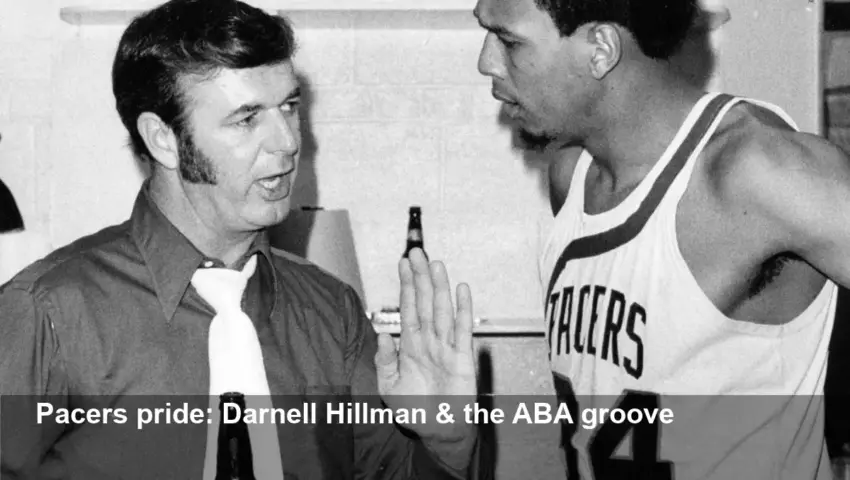
- The Indiana Pacers and forward Darnell Hillman are featured, including his iconic Afro.
- The series highlights locker-room camaraderie and local hangouts like Neto’s.
- ‘Soul Power’ connects local Pacers stories to bigger ABA icons such as Julius Erving.
H2: ‘Soul Power’ brings ABA locker-room life back into focus
Prime Video’s new docuseries ‘Soul Power’ offers a fresh look at the American Basketball Association’s colorful past, with a particular spotlight on the Indiana Pacers and forward Darnell Hillman.
The series captures more than on-court highlights. It shows the social life around the team — the noisy State Fair Coliseum games, late nights at Neto’s bar and the tight-knit feel inside the Pacers’ locker room. One line from the preview sums up the feeling: “I wish our world was like a Pacers locker room.”
H3: Darnell Hillman and a signature look
Hillman, remembered both for his play and for his huge Afro, emerges as a visual emblem of the era. ‘Soul Power’ doesn’t just replay old games; it frames players like Hillman as cultural figures whose style, swagger and relationships mattered to cities and fans.
Short, vivid scenes in the preview emphasize how players mixed with fans and local celebrities after games. Those moments show why teams like the Pacers were more than franchises — they were community fixtures.
H3: Neto’s, community and the State Fair Coliseum
The series revisits Neto’s, a bar owned by Pacers player Bob Netolicky, where players and fans would gather. These off-court hangouts form the backbone of the show’s storytelling. They help explain how the ABA’s atmosphere felt different — looser, louder and more connected to its neighborhoods.
Scenes from the State Fair Coliseum appear to anchor the docuseries. The venue’s electric crowds are presented as part of the story: not just spectators, but participants in the team’s identity.
H3: Linking local stories to ABA legends like Julius Erving
While ‘Soul Power’ centers on the Pacers and Hillman, it also ties those stories to the wider ABA scene and its stars. The league produced household names and stylistic innovators — players such as Julius Erving — whose influence is woven into the series’ broader narrative.
By connecting local anecdotes to legendary figures, the series frames the Pacers’ locker-room culture as part of a larger basketball movement.
H4: Why the series matters now
The docuseries arrives at a moment when sports fans and historians are reexamining the ABA’s influence on modern basketball. ‘Soul Power’ offers both nostalgia and context: it preserves small moments — a drink at Neto’s, a locker-room joke, a player’s hairstyle — while showing how those moments shaped the game and its fans.
For Pacers supporters and basketball history fans, the series promises a compact, human look at an era often remembered only for its on-court theatrics. ‘Soul Power’ aims to remind viewers that culture and community were as much a part of the ABA’s legacy as dunks and championships.
Image Referance: https://www.indystar.com/story/sports/nba/pacers/2026/02/10/prime-videos-soul-power-highlights-aba-indiana-pacers-darnell-hillman/88355367007/?gnt-cfr=1&gca-cat=p&gca-uir=false&gca-epti=z113424p116750c116750u001724v113424&gca-ft=29&gca-ds=sophi