
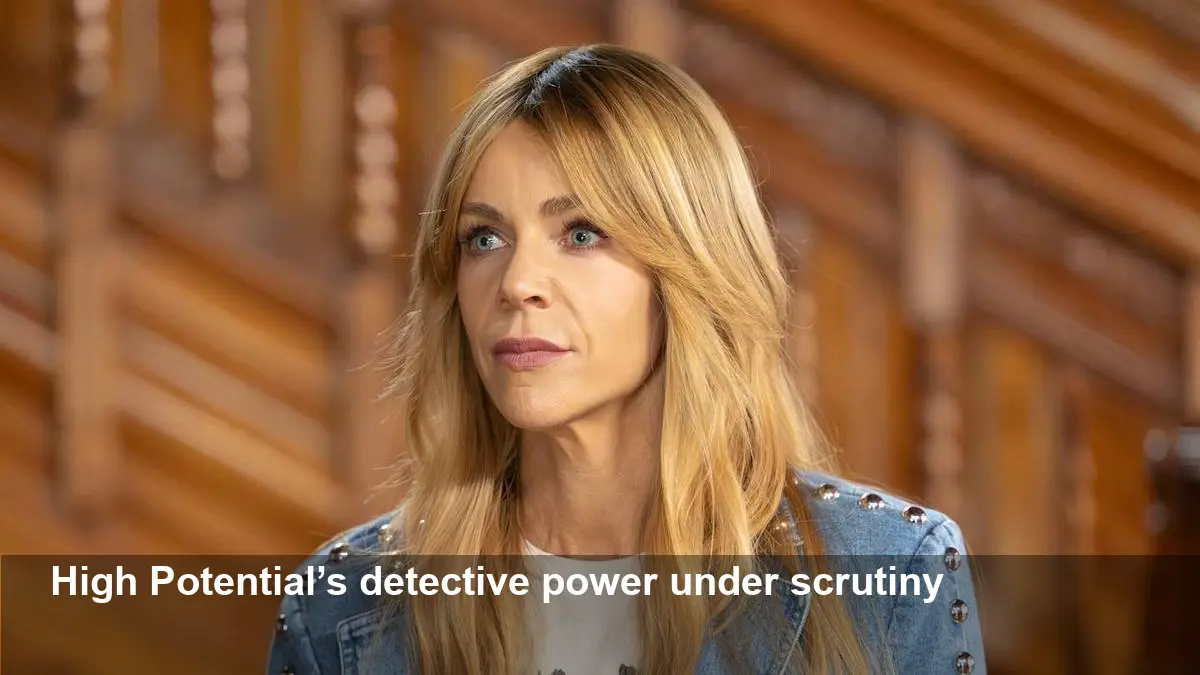
- High Potential remains a ratings hit for ABC, but a recurring storytelling flaw is drawing criticism.
- Morgan Gillory’s near-superhuman observations often stretch believability in crucial scenes.
- The show’s strong cast and mysteries still work — but writers should ground sleuthing in believable detail.
A hit show with a growing caveat
High Potential has earned strong viewership and praise for its clever crimes and the chemistry between its leads. The series balances comedy and mystery in ways that hooked many viewers quickly. Yet as fans rewatch episodes and dissect plot beats, a consistent issue is becoming harder to ignore: the show sometimes asks the audience to accept detective work that feels physically impossible.
One element of High Potential makes no sense
Many scenes hinge on Morgan Gillory noticing tiny, distant details the script treats as pivotal evidence. These revelations often arrive the instant she walks into a room, with the show implying she visually registers minute clues from far away. That plays well for fast-paced plotting, but it strains credibility when viewers pause to consider how she could realistically see what the camera shows.
This isn’t a critique of Morgan’s intelligence or memory — both are meant to be exceptional and are central to the character and the show’s appeal. The problem is more structural: the series frequently stages moments where the audience is expected to accept near-superhuman vision without any on-screen setup or plausible explanation.
Why it matters for viewers and storytelling
Small lapses in realism can add up. When a mystery hinges on an observation that feels impossible, the solution risks feeling cheap rather than earned. That reduces emotional payoff and undercuts the satisfaction of seeing a case solved through deduction. For a show that trades on clever reveals and audience engagement, maintaining a believable line between intuition and miracle is important.
There are ways the series could keep Morgan’s sharp skills intact while avoiding these pitfalls. Simple staging — showing her circle the room, highlighting prior moments of careful scrutiny, or giving her a plausible vantage point — would preserve the surprise without asking viewers to suspend disbelief too far.
What the show should fix next
Writers don’t need to neuter Morgan’s brilliance. Instead, they should anchor key discoveries in clear, observable beats. Planting clues earlier in a scene, letting Morgan visibly inspect an area, or offering brief exposition about her unusual observational training would make revelations feel earned. These small adjustments would keep the thrills while tightening the show’s internal logic.
High Potential still delivers entertaining cases and strong performances (including the standout work credited with bringing Morgan to life). But if the show wants its mysteries to land as powerfully as its ratings suggest, it needs to stop relying on visual miracles and give viewers the concrete clues they deserve.
Image Referance: https://geeksided.com/high-potential-major-flaw-viewers-are-quietly-overlooking